SYNCHRONICLE
There Are No Coincidences.
A concise account of the impossible, the improbable, and the suspiciously well-timed.


Something in the Deep Field Declined to Appear in the Photograph
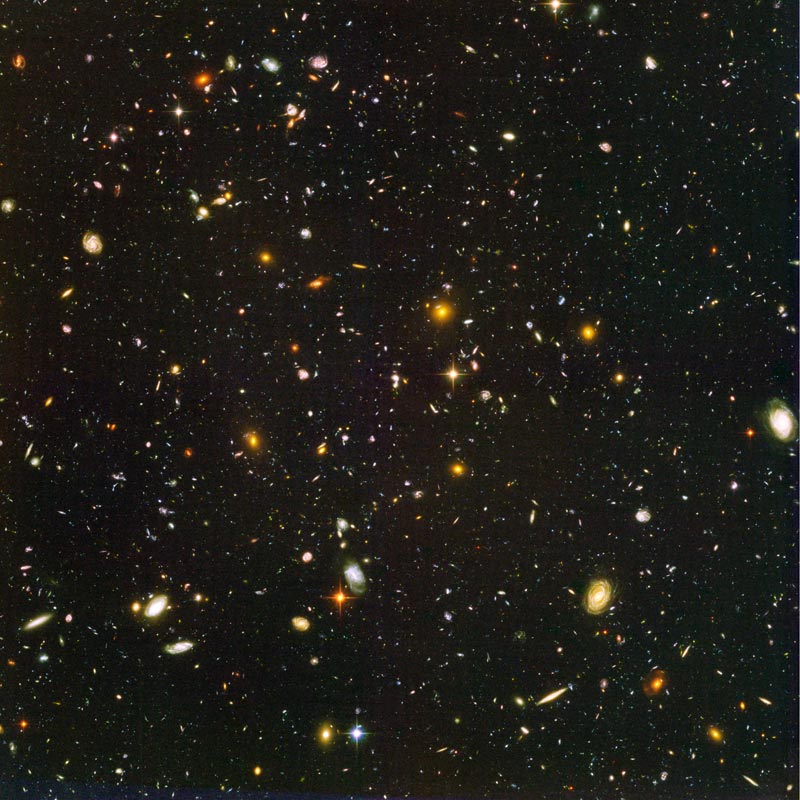
Astronomers found a strong emission line in James Webb Space Telescope observations of the Hubble Ultra Deep Field, but no visible counterpart in deep images of the same location. The signal appeared in observations about 88 days apart, making a one-off instrumental hiccup harder to dismiss. The photographs and spectra were taken at different times, so an object that changed or faded remains possible; the researchers have not identified the source. This is light, not a decoded alien message. Still, in one of the most scrutinized patches of sky, something registered repeatedly while leaving the cameras without a subject. What, exactly, was there when Webb looked?
READ ORIGINAL: ScienceAlert, October 15 · Research paper
Navy Releases UFO Records, Keeps 302 Pages of the Explanation
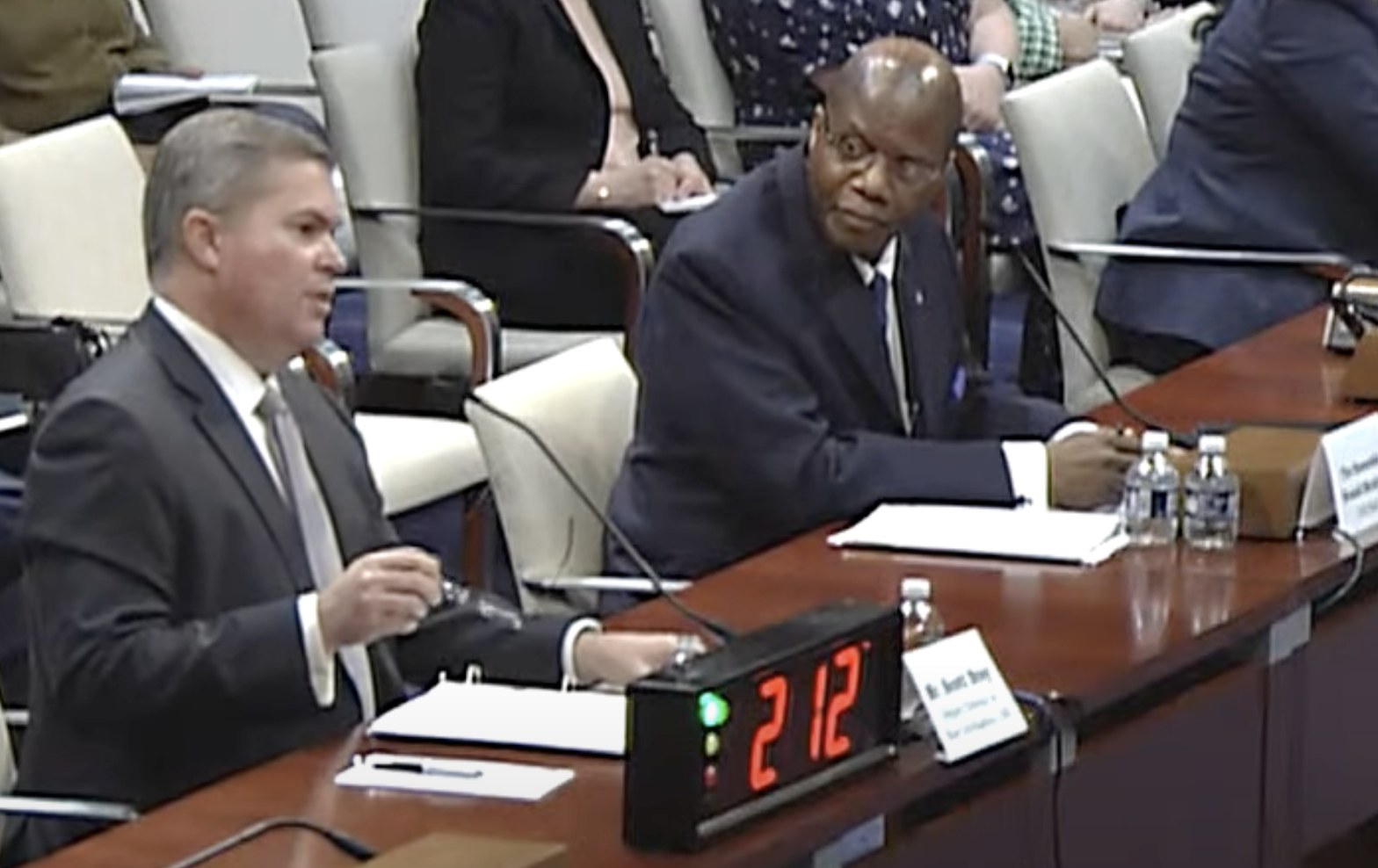
After more than four years, the Navy answered a request for former intelligence official Scott Bray’s UFO correspondence. According to The Black Vault, it identified 1,321 responsive pages, withheld 302 completely and released the rest with redactions. The visible material includes congressional briefings and discussions about what to tell the public. Of course, secrecy can protect intelligence methods rather than visitors from somewhere else. But when officials are privately discussing the public account while withholding entire sections of the record, whose version of events are we being allowed to inspect? The pages that might settle that question are precisely the ones we cannot read.
READ ORIGINAL: The Black Vault, September 24
Cold War Spy Satellite Breaks Apart; Cause Remains Off the Record
USA 32, an American Cold War spy satellite launched in 1988, broke apart above Earth on September 13. The military confirmed the fragmentation; its notice supplied no cause. Aging batteries, leftover propellant or a collision could explain it, and there is no evidence establishing an attack. Still, a spacecraft built to listen without being noticed has ended its long silence by scattering pieces across orbit. Was this simply old machinery finally giving out, or an encounter the public has yet to hear about? The breakup is confirmed. What broke it remains the interesting part.
READ ORIGINAL: Live Science, September 28 · Preserved military fragmentation notice
The Lost Castle Never Left Its Address
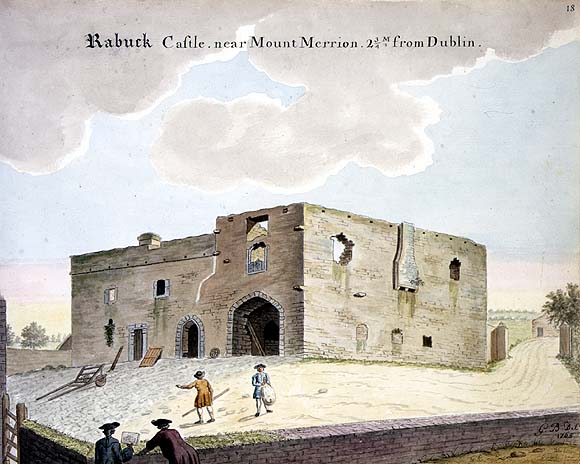
For roughly 150 years, the medieval castle at Roebuck was believed to have been demolished to make way for the building now standing on University College Dublin’s campus. Researcher Tadhg O’Keeffe says its walls are still there, concealed beneath later plaster, with the medieval courtyard surviving behind the apparently Victorian exterior. Eighteenth-century drawings helped him recognize the older structure within the newer one. He dates its earliest surviving fabric to the thirteenth century. The castle had not vanished. Later builders had enclosed it, and subsequent generations had accepted the outside as the whole story.
READ ORIGINAL: RTÉ
Just a Rock. According to NASA.
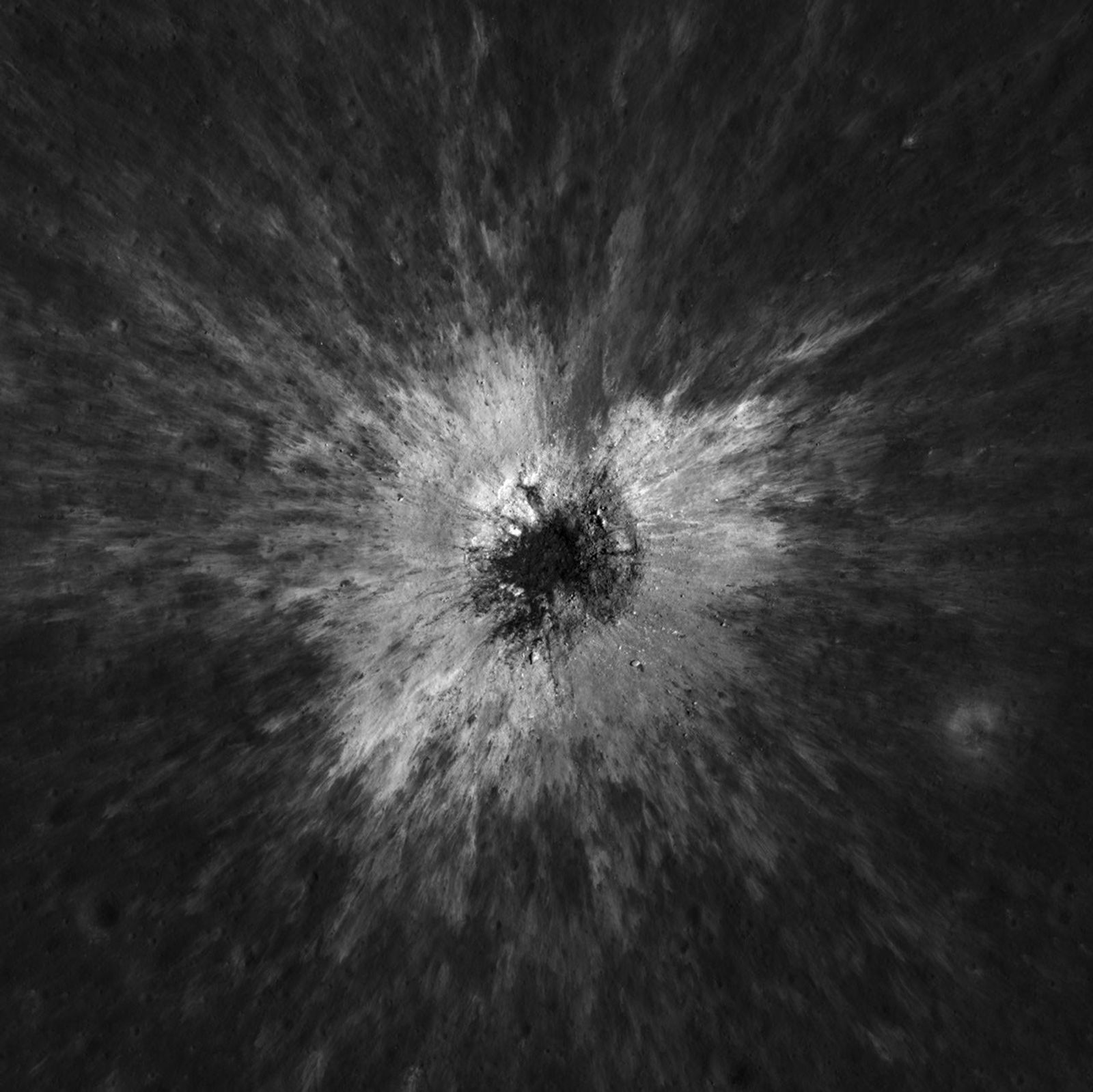
Something struck the Moon hard enough to leave a crater roughly 222 meters across. NASA identifies it as a natural impact. The collision occurred in 2024, the crater was recognized in October 2025, and the research appeared this September. A spacecraft had been photographing the surface; the significance of the scar emerged later, during a routine map check. A passing space rock, apparently. But consider the sequence: first the arrival, then the unexplained mark, then the explanation. If something other than a rock had arrived—and someone preferred that we never knew—how different would the public account look?
READ ORIGINAL: NASA
The Train Was Impossible. Then They Changed the Date.
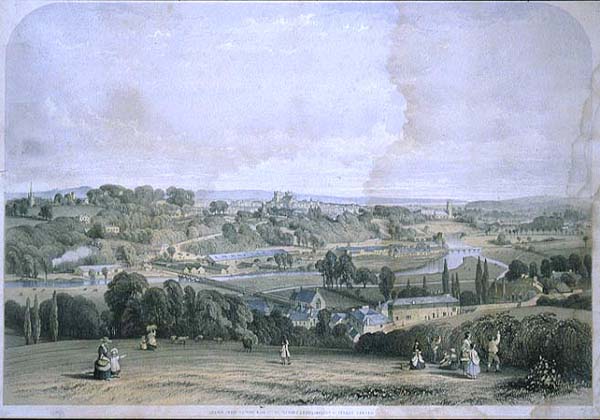
For generations, an account described a solar disturbance delaying a train near Exeter in 1841. One problem: the railway did not open until 1846. Researchers now point to October 18, 1848, using timetables, newspapers and geomagnetic records to reconstruct the incident. A date error, they say, and the revised date fits the surviving evidence. Conveniently, it also makes the impossible train disappear. Was the wrong year merely a mistake—or did it help bury a version of the incident we still haven’t recovered? If you wanted something forgotten, sending everyone to search the wrong year would be an excellent start.
READ ORIGINAL: RMIT University · study